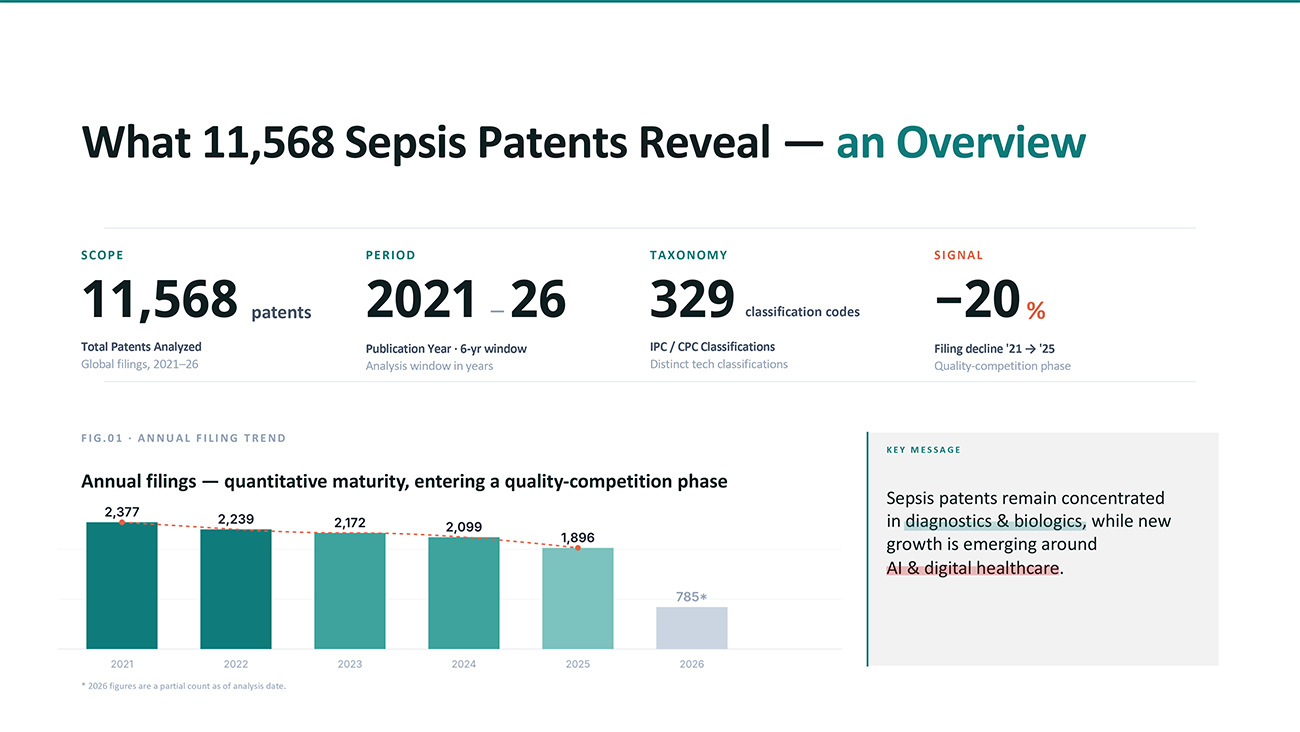
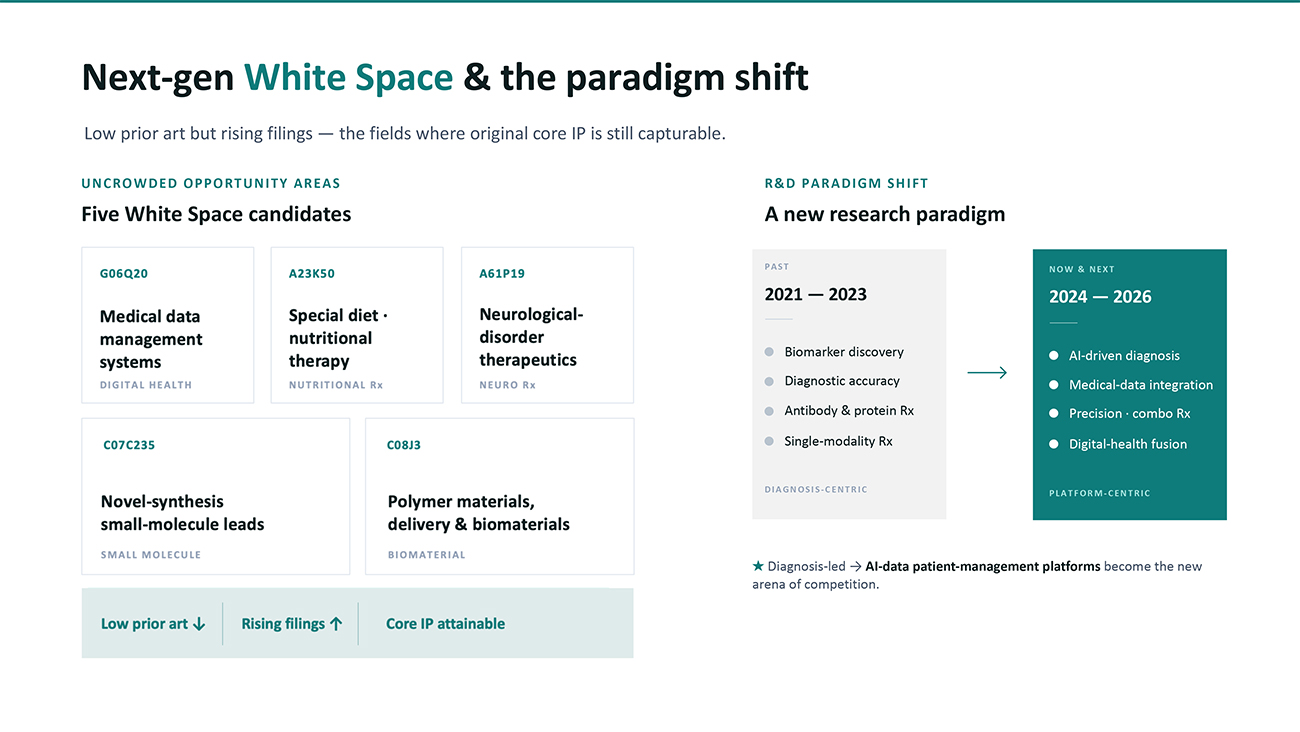
At the center of this process is an overwhelming inflammatory response known as a "cytokine storm." Among the organs affected, the kidneys are particularly vulnerable. More than half of patients with sepsis develop acute kidney injury (AKI), and some may ultimately require lifelong dialysis treatment.
Moduda Open Innovation Co., Ltd. focuses on the Wnt signaling pathway, a key regulator of inflammatory responses. In particular, we have identified elevated levels of proteins such as Wnt5a in patients with sepsis-associated kidney injury, with higher expression levels correlating with poorer clinical outcomes, highlighting their potential as prognostic biomarkers.

 EN
EN